plane seats on the wings

Story suggested by Rubes Carter Saturday 13 March

Plane seats on the wing is a notion which looks like it may be fun and cool. Closer examination of the idea reveals a number of probably fatal flaws.

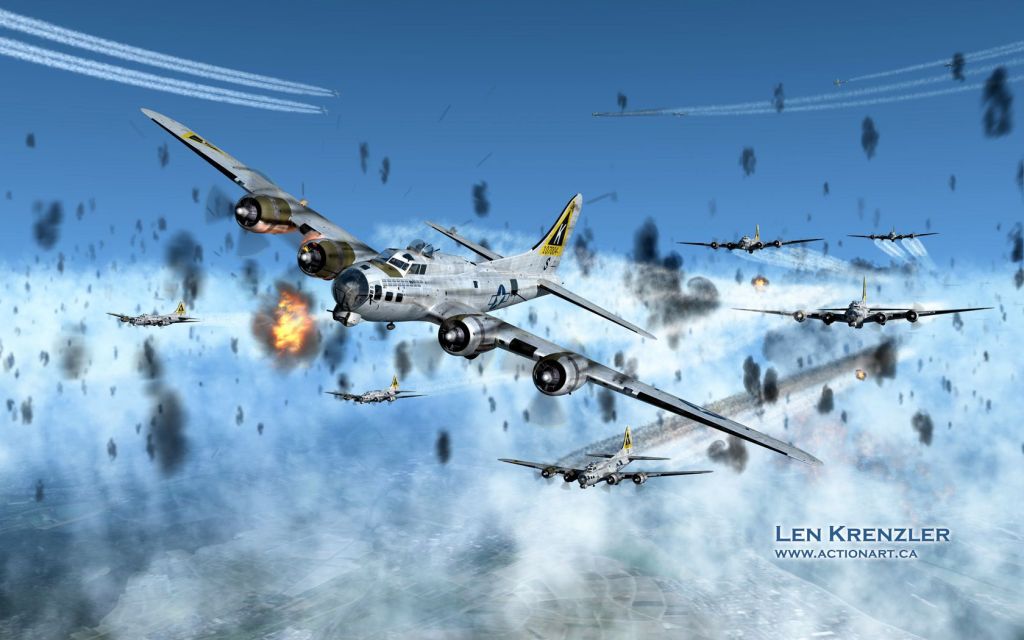
Flying on a wing and a prayer was a description of the desperate condition of shot up aircraft returning home after raids on enemy territory, only just getting home…. or not.
Then there are wing walkers who perform crazy stunts for entertainment purposes – not very many people have that sort of confidence.  My tummy wobbles just thinking about it.

At the speeds that aircraft move, it would not be easy reading a book or drinking coffee on the wing; conversation and safety announcements would be a tad awkward too. You would have to rug up too -those lightweight airline dishcloth blankets won’t keep the icicles away!

So plane seats on wings probably won’t go very far as a paying proposition. 
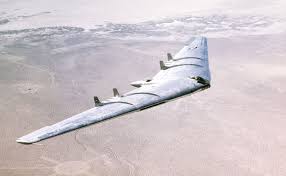
However, for those keen on the idea, if they are willing to accept a compromise, they could sit inside the wing quite comfortably and a lot more safely. KLM Royal Dutch Airlines has just partnered with a university to develop the “Flying-V,” a radical new airplane design that puts passenger seats inside the plane’s wings — and it could decrease the amount of fuel needed for flights by a substantial 20 percent.

Modern designs of aircraft are moving away from a central fuselage and towards an all wing aircraft.

Of course, we are really talking about living on the edge. The more confident, some may say foolhardy may try the extreme. Wingsuit flying provides experiences as close to bird-like soaring as human beings are likely to experience, given the configuration of our bodies.

It is possible for a wingsuit flier to approach speeds of 150 mph!

This extreme form of flying makes wing walking look like paddling in a puddle and it really looks like the stuff of dreams.

Once or twice in my life I have dreamed I was flying, just soaring through the skies …. what a feeling it was!

I could do it if I wanted to, but these days I prefer to stay away from the edge.

To see what it looks like, check out this video link to wingsuit flying, it will take your breath away!

So I guess plane seats on the wings won’t fly. 

This video of future flying machines may cure you of your need to sit on a plane wing!

Whatever flight style or seat you choose, remember rule number one: Keep the blue side up!
Slip slops

Story suggested by  Gail Leaver Friday 12 March

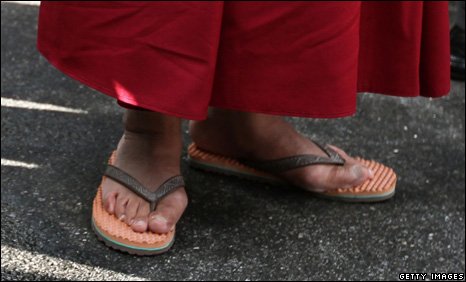
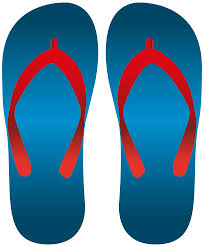
Slip-slops, flip-flops, thongs (not to be be confused with other thongs, which are worn between the legs not the toes), pluggers, plakkies, jandals (Japanese sandals, duh!), slippahs and smakols are all descendants of japanese zori, introduced to the US by servicemen returning from occupation leave. They became popular unisex summer footwear in warm climes all over the world.

Japanese have been using different versions for two thousand years. Even before them, the Egyptians wore them as far back as 1200BC

It seems that the establishment disapproves of the flip-flop. When someone, usually a politician, changes opinion in a way that annoys people that is called doing a flip-flop

A minor controversy erupted in 2005 when some members of a national womens’ lacrosse team visited the White House wearing slip-slops. The team responded to critics by auctioning off their slip-slops on e-Bay, raising $1,653 for a young cancer patient.

Hmmm! One can almost understand the Trump phenomenon.

The Dalai Lama of Tibet is a frequent wearer of slip-slops and has met with several U.S. presidents, including George W Bush and Barack Obama wearing the sandals. Dubya awarded him the Congressional Gold Medal in 2007. I don’t think it was just for wearing slip-slops.

Atlanta based company Flip Flop Shops claimed that the shoes were a $20 billion industry in 2009. Furthermore, sales of slip-slops exceeded those of sneakers for the first time in 2006.

Podiatrists recommend avoiding the inexpensive, drug store varieties and spending more on sandals with thick-cushioned soles, as well as ones that have a strap that’s not canvas and that comes back almost to the ankle

However the evidence is overwhelming – these sandals are certainly the most popular footwear in the world. They are functional, cheap and easily replaced. They are ideal for the beach, hence their popularity in good beach countries.

They are not too popular in colder climes.

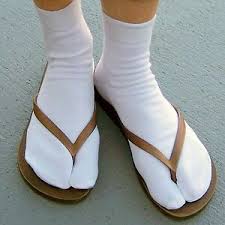
I must confess the sight of socks and flops puts my teeth on edge.

Personally, I don’t like ‘em, but that is probably jealousy, because I cannot wear them.

I wear crocs, which is why, I’ve been told I haven’t got lucky…

Rain on an old tin roof

Story suggested by Linda Owen Guy                    Thursday 11 March

Pitter….. patter….. pitter….. patter…. pitter…. patter.

Pitter-patter, pitter-patter, pitter-patter, pitter-patter

Rain falling  is a rhythmic pattering sound, like a lullaby it can help people fall asleep quickly. The brain unconsciously relaxes and produces alpha waves, close to the state of our brain when we sleep.

People listen to rain as white noise. Have a go, click the link – listen to the rain while you read!

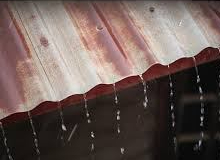
Sitting under a tin roof, the first drop is a SPLAT! Followed by further splats and then a steady roar, making conversation difficult; anyway splashes will drive you inside.

As the  rain tails off we get an array of sounds:

pitter-patter.

drip-drop.

rat-a-tat.

splatter.

tap tap

pitter patter

pitapat.

pat

drip, drip, drip  …drip

After rain a strong earthy smell arises. It is rich and fecund, catching the back of your throat and prompts idle thoughts of becoming a farmer. Petrichor it is called.

The sun breaks through clouds. The tin roof goes skcilc, skcilc as the roof metal stretches in the warmth.

Tok tokkies

Story suggested by Susie Drake          Wednesday 10 March

I have always  had a little confusion about tok tokkies.

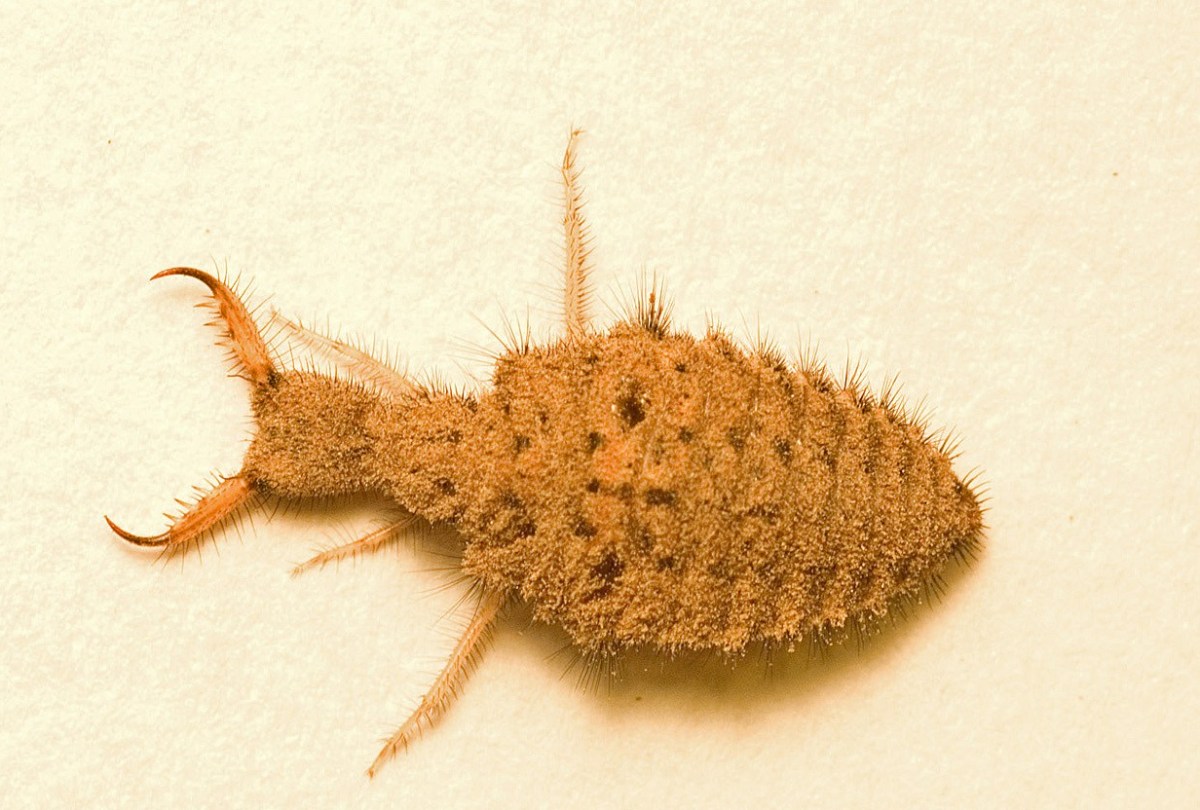
I knew they were insects but confused them with ant-lions, about which my elder brother is an authority. When he was about eight or ten he was sent to St Marks, a boarding school in Mbabane, about 75 miles from Stegi, which was home. He was in Duncan House and his best friend was Tienie Herbst. Sixteen years later I was in Duncan too and one of my classmates was Hennie Herbst.

My brother and Tienie kept ant lion farms. But back to tok-tokkies…

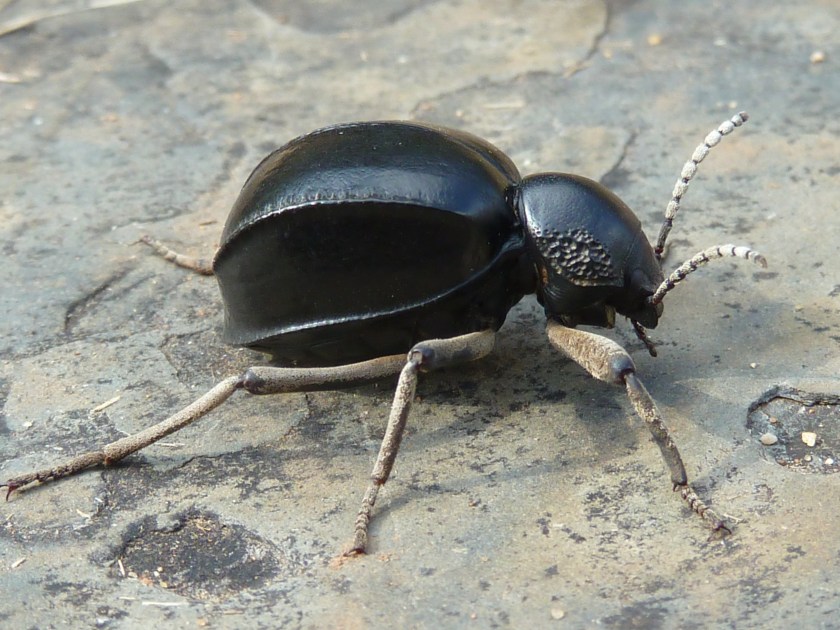
Tok-tokkies are clever beetles that live in the desert and collect moisture from fog. Darkling beetle is their formal name (Tenebrionidae if you want to be technical). 

They make a clicky-knocking sound to lure females. That is why they are called Tok-tokkies, after the children’s game of knocking on doors then running away.

I don’t think I have ever met a tok-tokkie beetle.

But I have met a number of ant-lions, which we called tok-tokkies, so I can tell you about them. They are fierce predators that dig pit traps for unsuspecting prey.

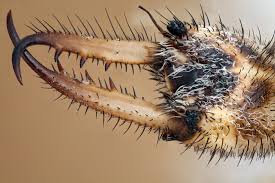
Once the prey falls into the trap, the ant-lion springs out from its cover and seizes a leg in its gruesome jaws and injects its venom. Slowly, inexorably, it drags the struggling prey under the sand and devours it.

I can remember tok-tokkies from when I was in Duncan. I suppose they were the descendants of my brother’s insects. 

They are very entertaining and can keep one absorbed for hours. There were some pits in the sand, near the boiler where we went to smoke cigarettes.  If you tickled the sand of the crater with a grass stalk, the lion would spring out of the sand and grip it and you could lift it up to look at it.Even better was to get an ant and drop it into the pit. Quick as a wink it was goodbye Mr Ant.

To even the competition we got bigger insects, like a small hotnotsgod, a praying mantis. They could usually get away, but sometimes lost a leg.

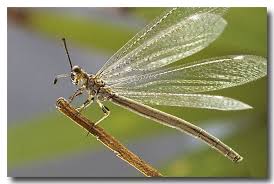
After eating enough over a couple of years the ant-lion spins a cocoon and retires into it for a while. When the moon is full, it emerges as a delicate lacewing beauty who flies off in avid search of a mate. Her search is frenzied and relentless without pause to even eat. Once mating is over, she lays eggs in the sand, and dies.

Talk about Beauty and the Beast

Just imagine if there were giants of the species …. aarghhh!!

Learning about religion

Story suggested by Barbara Hatfield Tuesday 9 March

Religious rituals imprint emotions and memories early in life, for those raised in religious families. I suppose that is their function.

I am not talking about Christmas Carols and Easter Egg hunts and associated, market controlled commercial events, but family occasions.

Early Sunday was a tough time in our house, as my father hated being late for anything, especially mass. And my sister could never get her act together. I sometimes wonder if it wasn’t an early streak of the rebelliousness which bloomed in her older life. Certainly the nuns at Loreto could not quell it; in fact they probably caused it!

So driving to mass with a smouldering volcano and muttering sister was a fraught affair and my brother and I skulked low.

At mass, we were separated. He sat with Mum in the fourth pew from the front on the right, I was jammed into the space between the organ and the wall in the choir, of which Dad was the bass section. This was after we once had a fight over a holy bookmark card.

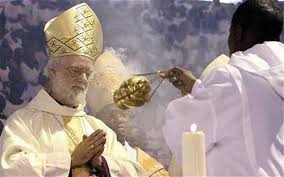
The little church was packed every Sunday. The best was when the Bishop came and there was incense and a throne for him. Except we had to kneel and kiss his ring which we didn’t care for.

Our Saturdays too were interfered with by religious stuff. We received religious instruction at Catechism classes, which were held at our house. As the priests and nuns were mostly Italian or Swazi, whose English was poor, my Mum used to take the classes.

A good illustration of Mum’s disciplinary powers was at meals if we forgot about “elbows off the table please darling” our elbows got jabbed by a carving fork. So we two Purcell boys mostly behaved. 

The others were four or five Smiths, mostly girls, a couple of Allardices and the occasional O’Kelly or two. They were wild boys and sitting still was not their forte. Adept at slipping under the tables, they tickled and pinched and generally disrupted proceedings.

They were eventually persuaded by the promise of cake and biscuits afterwards, or the threat of having to recite a decade of the rosary, out loud.

Nevertheless, a number of us duly made out first Confessions, which were always difficult as the concept of sin was so seriously guilty or not guilty. We resorted to a litany of transgreessions like:  bless me Father for I have sinned, I told a lie to my friend and thought bad things and I forgot to say my prayers… It was not easy to sound original every time.

Then Communion and the terror of not chewing Jesus’ body which  sat dry on the tongue or stuck to the roof of your mouth, while you looked pious and holy, which required a great deal of concentration. But I think there was a feeling of grace for a while afterwards.

Confirmation was weird – you had to choose a saint’s name and remember it was you they were talking to (don’t ask me why). We all lined up at a special Sunday parade and the Bishop came along and asked you a  question (you’d been told the answer). Then he marked your forehead with oil and slapped your face – apparently to chase the devil away.

Strange this practice of marking the head with oil and ashes on Ash Wednesday. We have no right to look sideways at the Hindus and their tikas.

For a while I was a devout Catholic, bound by duty and ritual and desire to please my parents. I was often the only boarder from school that walked the two or three miles through the winter frost across the icy river to mass. Then back again, too late for breakfast, if no-one gave you a lift.

I even entertained a fantasy of becoming a priest and saving lepers on a remote island like Father Damien. Maybe it was the island name Molokai that resonated some significance.

As life exposed the temptations of the flesh, duty and the basis of faith were examined and rationalisation gave excuses to avoid. Conveniently, I think, I embraced the mantra of Domine, non sum dignus * to avoid Communion, as I knew  I would continue to commit sins of the flesh like over-indulgence, idleness and neglect of holy obligations. It was sort of a sidestep about which I felt a little guilty.  

Over the years I have come to understand the place and need for religion in society. The vast number of different faiths and rituals seem to me as expressions of need, not the presence of gods in different forms.

Nevertheless the rituals still carry some reverence for me and I am conscious that we must acknowledge sin and need to try to improve. So a little stuck.

Sadly few of my Catholic contemporaries seem to have retained much devoutness. Some of my Protestant friends are more devout, but they have a wider menu and less demanding regime to follow. Generously, they include me in their prayers.

* Lord, I am not worthy

The Green Hand of Overdale

Story suggested by Keith Struwig 8 March Monday

The little boys at our boarding school, juniors ranging in age from seven to twelve, lived in Overdale House. They were under the care of a young Scotsman who was diligent but strict in his exercise of care.

Each morning the prefect awoke the boys with a little bell. No lolling in bed was permitted. All faces were to be washed in cold water (there was no hot); shoes polished, hair brushed, beds made before breakfast. Their appearance and clothes trunks were inspected. Then they were marched off to breakfast.

The housemaster ensured that the senior boys allowed them to get some food at meal times, but like all boys, they were always ravenous.

Every second night they were marched to Duncan House for a bath. On the intervening day grubbiness and dirt were to be removed under the cold water tap at the back, in the shade of the oak trees.

Lights out was at nine o’clock, with only the prefect’s light left on until later. The toilet was an outhouse, under the oak trees and it was very dark out there. But little boys were well aware of the horrible embarrassment and miserable disgrace awaiting those who wet their beds… so braved the dark.

Unfortunately, an idle, wicked prefect, who shall remain nameless, was struck by a brainwave.  He knew how to stop the littlest boys waking him in the middle of the night to take them to the loo, which he was under instruction to do. 

One winter night, just before lights out, he idly inquired if anyone had heard anything the previous night, like tapping on the window. No-one had. He admonished them all not to investigate if they ever did hear it. 

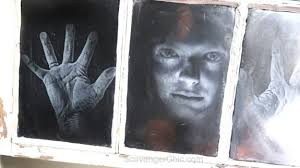
It could be “the hand” that was tapping…. 

He said he had been told by Sikwini, the Head Waiter, that many years ago, a man had slipped and fallen into the saw pit and his left hand had been sliced off. He was rushed to hospital but bled to death on the way. His hand had been forgotten in the panic and it is thought that Fly the school dog had stolen it. 

Now, it was said, usually at full moon the hand came to find its owner….

Boys were dumbstruck and everyone of them slept with their head under the blankets. No-one woke the prefect. 

Over the following days, any visits to the outhouse after dark were done before lights out, in company of at least two others, who took turns to wait outside while business was completed. Nobody moved after lights out.

Inevitably there was a sudden increase in incidents of bed-wetting, surprisingly including one or two older boys.

The canny young Scotsman conferred with the Matron (soon to become his wife) and she spoke to some of the younger boys. She soon extracted the legend of “the hand”, which had now become green and “scrabbled at the tops of windows and would strangle anyone who saw it and they would become ghosts of Overdale too….

Once such terrifying seeds have been planted, they grow unchecked and become rooted, despite pronouncements from the housemaster and the matron and a recant by the demoted prefect.

That is why, until Overdale was no longer a dormitory, chamber pots were used at night.

Everyone who was a boarder at St Marks knows the story and the duty monitors who fetched the cocoa at night always gave Overdale a wide berth, especially around full moon.

life without the fruit of the vine

Story suggested by Christina Forsyth Thompson 6 Mar Sat

This is  a topic very close to my heart at the moment as I have given up alcohol for Lent.

Fortunately, by tradition, I follow the Lent rules applied by my father. As he was a Papal knight he  is unimpeachable as a guide.

The rules are no alcohol on every day of Lent which of course excludes Sundays and other Holy days, such as family birthdays. It being Sunday and my brother’s 80th birthday, I am drinking a beer as I write this, and I shall have another!

Giving up for Lent is not as hard as it sounds as it is a choice and a virtuous one too, so glory can be claimed.

Also, apparently there are a number of benefits attached to not drinking, according to some articles I read after Googling “life without wine”. 

A recent article by an Australian (she must be reliable) on stopping drinking  alcohol contained the following testimonies:

  • the depression and violent outbursts which had haunted me for decades gradually ebbed away
  • Pleased to discover it was easy, I felt a lot better, and I was more productive and positive.
  •  The first thing I noticed a few weeks in is how happy I felt all the time. Just content and relaxed.

and my favourite … I’m a rural Irish single person who hasn’t had a drink for about fifteen years, and I must admit that it’s led to me having a very solitary life, but I’m almost never in trouble, and I used to always be. 

and one with a ring of truth: I used to have a booze-free month every year. I stopped doing it because I had to accept that those months were invariably the most joyless, miserable, depressing, empty months of the year.

All I can say is beware of fake news.

Any student of history will tell you that Prohibition by law is just stoopid; people hate being told what they can’t do, especially if they have been doing it for a long time.

Surely the Prohibition era in the US,  less than 100 years ago,clearly  showed that such a move is very bad for a country. It lost the US federal government a total of $11 billion in tax revenue, while costing over $300 million to enforce. 

The law that was meant to stop people drinking instead turned  many of them into experts on how to make it.

The growth of the illegal liquor trade under Prohibition made criminals of millions and exponentially accelerated organised crime. 

So the folly of an outright ban on the sale of alcohol is monumental.

Maybe they did learn about the effect of prohibition…?

The crass stupidity of politicians who do this in the light of history is obvious. But you can’t tell pollies they are stoopid. They know that, but as we all know there is no cure for stoopidity.

I am sorry, I can’t go on with this and avoid allegations of being indelicate, unprogressive, intolerant and rednecked. They are all true.

But it irks not being able to say what I think … or drink if I want to.

My fondest memory of my son

Story proposed by Janita Purcell Thursday 4 March

I have two sons and three daughters and all or nearly all of my memories of them are fond. I can’t remember any that are not fond, but there must be as nobody’s perfect, except perhaps John Eales. (it’s a rugby joke).

Bringing up five children, we practiced a sort of communist regime – everyone got the same share, first last time is last this time and always check that the dogs have water.

Our children were  and remain unfailingly good, mischievous, serious, loving, clever and beautiful and many other things that it hurts to remember.

They are all bright, talented and independent and love a family braai on a Sunday. They ask advice, listen and even sometimes seem to heed it. I think they ask me just because they know it makes me feel good. They ask their Mum when it’s something serious.

All of them are university educated, paid for by themselves, and have travelled abroad. They all like dogs and are polite and kind to people too.

I suppose the fondest memories I have of my eldest son is his pride in catching a slimy barbel on the farm, when he was about seven and his colours awards for hockey and Academics. 

The fondest memories of my youngest son is him consoling me in my rage when someone else was awarded Best Player when he  should have got it, and him reading to his baby daughter.

This is very difficult as I am somewhat sentimental. I think they all know that I am quite fond of them.

Patting a cow for the first time

for Max 3 months old 3 Mar Weds

Cows are friendly critters. 

They will remember you 

Mind you, there are cow pats and there are cow pats. You can pat a cow, but don’t pat a cow pat. Ask your Daddy to tell you why.

The first time I remember patting a cow was at the Hennessey’s dairy farm. They had a herd of Jersey cows and a few Shetland ponies.

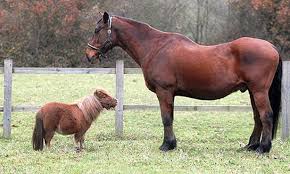
First I will tell you a bit about these ponies. They are very small which is just right for little people to ride. Some can be bad tempered and some can be sweet.

When I was about seven years old my parents gave me a Shetland pony for my birthday. Her name was Sweetie. I will tell you why that was not a good name for her. 

Mum had invited all my friends to a birthday party for me. Even June Rose who had lived next door to us in Bremersdorp was there, looking very smart in  a bonnet and a frilly dress. She was only five.

The best thing about the party was that we all got to have a ride on Sweetie. Everybody was thrilled, except for one person. That person was Sweetie, who was not happy to have to carry lots of little children around the garden on her back all afternoon.

So, she had a huff. 

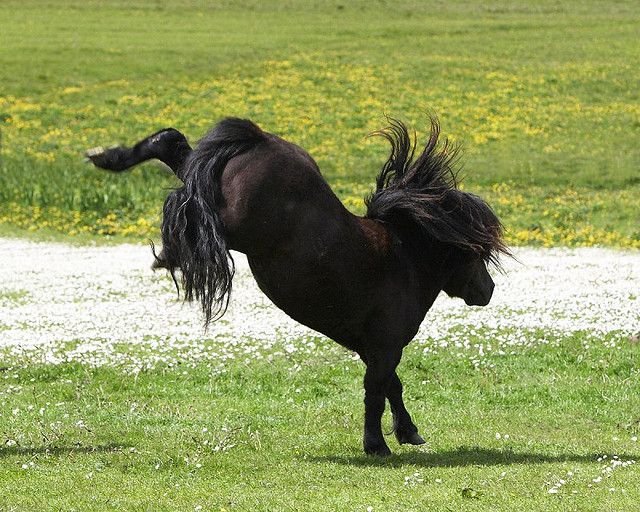
When ponies have a huff, they toss their heads, then jump forward onto their front legs and throw their hindlegs up into the air. If there is someone on their back, they get tossed off, over the horse’s head to crash down to the ground.

Poor June Rose, she landed in a rose bush and got quite badly scratched. That really spoilt the party. 

Sweetie was sent back to Hennessey’s farm, which is I suppose what she really wanted.

I always thought it was weird that June Rose was bucked off in the rose garden. Perhaps if her name was Daisy she would have been tossed into the daisies?

Anyway back to the cows. Jersey cows are a soft beige brown colour and have big brown eyes and long eyelashes.  They have big udders which give lots of milk every day. 

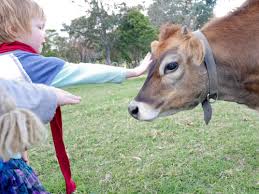
The farmer showed us how to milk a cow, after we had patted it of course. Cows like being patted and if they know you well enough will give you a big kiss. A cow kiss is a lick across your face!

Its not that difficult to milk a cow. You squeeze one of the teats on the udder and warm milk squirts out into the bucket under the cow. Sometimes the cow stamps her foot  and swishes her tail because she doesn’t like flies bothering her.

We gave some of the milk in a bottle to a calf, which was very sweet with big brown eyes too. It wanted more and sucked and sucked and moo’d  very loudly.

We patted its head and scratched its ears and it seemed to like that.

We didn’t want to go home, but the farmer said the calf had to go to the barn to sleep as it was getting dark.

It was lovely day – we got to pat a pony, a cow and a calf. We also patted the farmer’s dog and his cats. And he gave us a bag of big forest mushrooms called makhowe  to take home for our supper. 

Harry the Chocolate King

King Harry is a big dog. He looks like a king, even if he is quite old. His coat is dark chocolate brown as he is a chocolate Labrador. (It doesn’t mean he is made of chocolate, that is his colour; he is made of dog).

I meet him often as he strolls around the parklands near his palace in Hilliard Park.

He is often in the company of the Duke and Duchess of Hilliard, who are his Lord and Lady in Waiting.

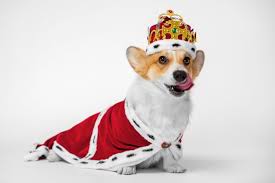
Even though he is a king, Harry doesn’t wear a crown or fancy robes like some other dogs. He is cool and casual.

When I meet him, I greet him in siSwati, and he understands everything I say, which is weird as he is Australian, but then kings are special.

King Harry is getting on in age, but he still has a twinkle in his eye, especially when he meets Miss Lulu, who is Schnauzer who wants to be a ballerina. He will even roll in the grass in some places, to show that he is just an ordinary person, groaning softly, squirming and grinning.

Talking of grinning, King Harry is a grinner; he always has at least a smile on his face. I believe he is a happy dog.

When he walks, without a leash of course because he is a King and well behaved, he has a languid step, never hurrying. He strolls sedately and politely greets everyone who he meets. They all feel honored by his attention and bow and wait until he approaches them before they speak.

Mind you, he will sometimes put on a leash to show other dogs that he is on their side. He hasn’t actually said that people should be on leads not dogs, but I think he thinks so.

If he is feeling particularly happy and his gout isn’t troubling him he will even indulge in a frisky caper, a little dance to encourage the young people who gaze at him adoringly.

It is so nice to know that we have a king living nearby.