I have always had a secret admiration for the good king. To me he set a wonderful example of how a king should be. The fact that he did it on the 26th of December, the feast of Stephen, for whom my greatly admired uncle was named, makes it more special.
I feel that every one should share this wonderful saint’s attributes.
During a time of joyous festivities, he glanced outside – it was a beautiful winter white snow view.
Then he saw a poor person struggling in the snow to find firewood to keep himself and his family warm.
In the 10th Century, kings usually ignored peasants and their plights. This king was different – he had compassion and a generous love for his fellow man.
Good King Wenceslas looked out On the Feast of Stephen When the snow lay round about Deep and crisp and even Brightly shone the moon that night Though the frost was cruel When a poor man came in sight Gathering winter fuel
He called his young page who was a local lad to ask where the peasant was from.
Hither, page, and stand by me, If thou knowst it, telling Yonder peasant, who is he? Where and what his dwelling? Sire, he lives a good league hence, Underneath the mountain Right against the forest fence By Saint Agnes fountain.
Notwithstanding the weather or the distance, he himself went out to help with gifts and firewood.
Bring me flesh and bring me wine Bring me pine logs hither Thou and I shall see him dine When we bear them thither. Page and monarch, forth they went Forth they went together Through the rude winds wild lament And the bitter weather
The going was hard and the young feller faltered, but had the courage to call out.
Sire, the night is darker now And the wind blows stronger Fails my heart, I know not how I can go no longer.
The king was resolute and filled with good purpose, he gave the page hope and direction and told him to have faith that they were doing the right thing
Mark my footsteps, good my page Tread thou in them boldly Thou shall find the winters rage Freeze thy blood less coldly.
Encouraged and filled with the zeal that the king had shown him, he struggled on and found warmth in his cause.
In his masters step he trod Where the snow lay dinted Heat was in the very sod Which the Saint had printed.
This is the very spirit of Christmas and the message is for us all
Therefore, all of you, be sure Wealth or rank possessing Ye, who now will bless the poor Shall yourselves find blessing.
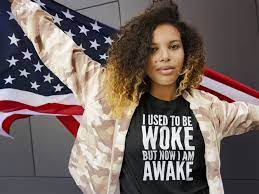
Usman Khawaja is a nice guy. However, saying his shoe statement is not political is naive at least or cynical or worse. The way the whole thing played out in a typical woke episode.
A public figure, paid to represent his country, departs from the uniform to endorse a statement on his shoe written in the colours of a political entity.
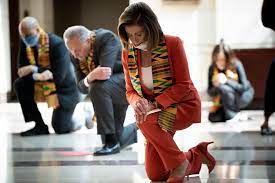
That is a political action, like taking the knee or black power saluting during the national anthem.
Quite correctly, this act was prohibited.
The fact that he was allowed to wear a black armband is a weak, unacceptable, woke compromise.
In Khawaja’s context it is an individual political statement. It is clearly not a mark of respect, worn to honour the death of a family member or a universal icon, relevant to the sport.
The fact the the team administration and captain allowed the armband is how woke works and it is a failure in principle and integrity.
Where does the rot start? Right at the top – this is what Anika Wells the Federal Sports Minister said:
“As the federal sports minister, I have always advocated for athletes to have the right to have a voice and to speak up on matters that are important to them,”
I agree with that, so long as they don’t use their workplaces. They are employed as athletes to perform their skills before a paying public. They need to keep their personal, political lives separate.
The making of political statements can cause tension amongst cricket followers of diverse views. Usman acknowledges his intended ‘statement’ attracted abuse. The Minister and Pat Cummins and many others clearly support it.
What if the team members were required to wear LBGTI rainbow emblems on their shirts?
What if a sportsman chose to wear a black armband on 30 April – the day of Hitler’s death? Or 6 August .. the Hiroshima bomb anniversary or … you get the picture.
Use of the public platform to promote personal causes should be prohibited and sanctioned.
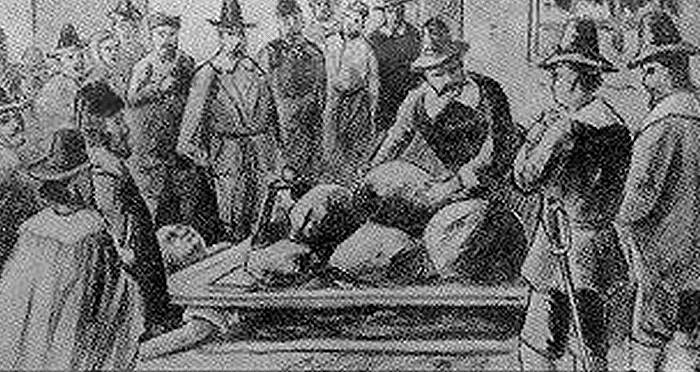
The last words of Giles Corey as he was judicially crushed to death in an attempt to get him to answer to charges of witchcraft. He was 81 years old.
He defied the sheer madness of a society that tolerated in the name of God and the law, widespread, hysterical allegations of witchcraft. Such perverted zealotry was deemed appropriate by many.
“The Crucible” is a play about the 1692 Salem witch trials, including that of Giles Corey, written by Arthur Miller. Its themes are as relevant today as they were when aimed at the Communist witch hunt in the US in the early 1950’s.
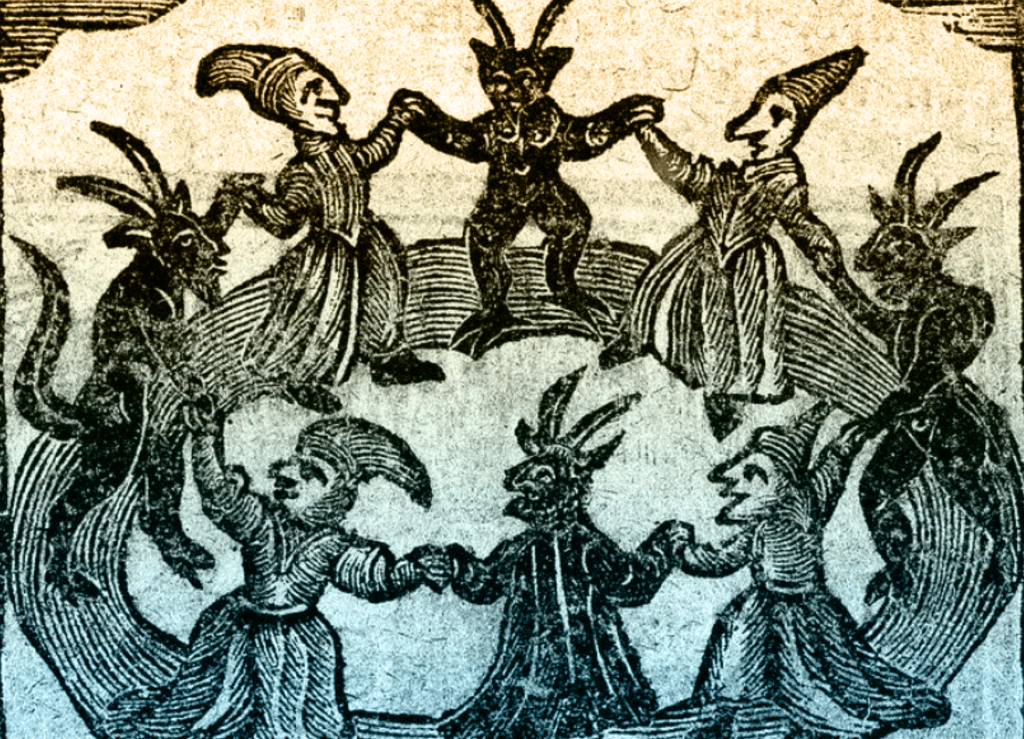
Some girls were seen dancing in the woods by a minister in the rigidly conservative Puritan society of Salem in Massachusets. They pretended they were under spells and witchcraft was blamed. They began naming people as having communed with the Devil and influenced their behaviour.
Suddenly a vehicle was found by some to settle scores, old and new. Others came forward and alleged bizarre behaviours. A zealous minister interpreted and prosecuted the allegations. Hundreds were accused, arrested and tried on allegations that could not be proved. The mere fact that many alleged the influence of the Devil was accepted as truth.
Those denounced were arrested and required to admit their connection with the Devil or deny it and be hanged. Most did and saved their lives but lost their estates; nineteen men and women did not and were hanged. Giles Corey, 81, was squashed to death.
It was like reading accounts of today’s woke mobs baying for policemens’ or Jews’ blood or the credence given to the gender dysmorphia hysteria of teenage girls. It sheds light on the reality of mass psychogenic illness, which are very real behaviours with no known physical cause, a form of social influence, which defies our understanding.
… but now the little crazy children are jangling the keys of the kingdom…
The Crucible, Act 2
What is so frightening about social media today is the immediate identification by millions with reports of situations. One consequence is a cacophony of ‘me too’ howls which generate so much noise that they are almost impossible to deny. Substantiating the truth is no longer relevant. The mere noise of the mob causes knee jerk political response.
Protestantism was mass resistance to the existing Church’s iron grip on society, the Inquisition, suppression of challenge and direction of government. Ironically the idols and ritualism of Catholicism were rejected and the swing went to the rigid strictures of Puritanism which added zeal and the same belief that the Devil was ever present. The pendulum swung but the iron rule of the Church prevailed.
We see now the rise of ultra right wing nationalism across the western world. Apparently a reaction to the huge influx of Arab and African refugees and the campaigns of woke movements such as #metoo and BLM, which pillory historical figures and values and call for reparations and bending the knee in acknowledgement of white patriarchy guilt. Mere allegation is sufficient for substance of wrongdoing.
Just like in Salem in 1692.
Serious splits in society have formed and we will be pressed to answer whether we agree that taking the knee is a good thing or face consequences.
Lulu and I set off on her walk; she checks each house on the left today, sniffing for new smells … or scraps.
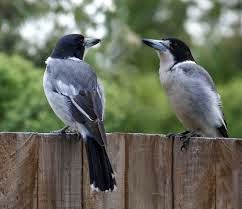
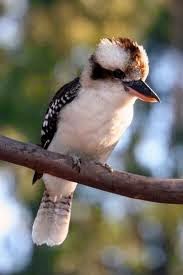
No-one else about apart from the birds. Butcher birds whistle to each other, wood ducks qwuackle softly from up in a dead gum tree; the local kookaburra guardian of the park watches with its hard smile and calculating eye.
Cockatoos shriek at the morning flock of corellas which cackle back derisively; the Pacific Koel repeats its whistle warning of rain to come. Noisy miners live up to their name shrieking their anxieties to all and sundry.
Another wood duck has lost her mate and is quacking mournfully: where are you, I am worried, come back.. They pair for life so separation anxiety is severe.
Four young bush turkey males scavenge the path near the creek, keeping a weather eye for the local boss turkey with his bright yellow necklace – he can’t stand other male turkeys.
The swamp hens (pukekos in New Zealand) have re-built heir nest on the rock in the middle of the creek for the fourteenth time. Their chicks are now grown and forage for themselves. Pacific black ducks flash past to skim land on the creek in the clear water surrounded by lily pads.
A turtle stretches its neck on a tree in the river watched by three water dragons posing in the sun at different spots on the bank.
The Willy Wagtail twitters questions at us as we pass by over the bridge; the wood duck with fishing line on its leg scampers away again – Redlands Wildlife will again try to catch her soon.
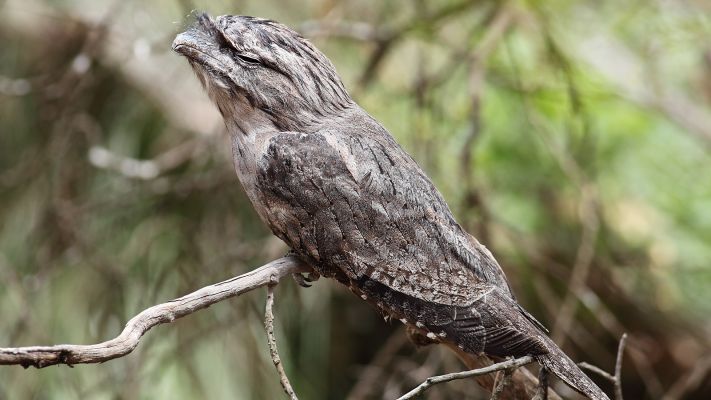
The tawny frogmouths huddle in the tree over the road, almost invisible.
The morning crow choir chorus in Bahrs’ corner gum tree disturbs sleepers for miles around.
The blue faced honeyeaters search the last jacaranda flowers for nectar and the white ibis shiftily sidles out our drive.
73 is a good number, but I am not there yet. Being but a step away is sufficient justification for self -indulgence.
Warmed by gentle signs of affection from the my nearest dearests and those afar, I feel free to indulge.
But, lest anyone think that I may neglect my responsibilities, I have done the washing up, emptied the bins, watered the flowers and inspected the lawn for dog poo (none); however, I did note it needs a cut – but not today!
To my delight I found a new scarlet amyryllis bloom, the second this season; a solitary deep red nasturtium smiled at me – I thought they were all done, and my birthday gardenia has spared me an extra bloom on the appropriate day.
On the kitchen bench are massed ingredients for the Christmas cakes baked by herself. Such a rich panoply: ginger, prunes, fig jam, candy peel, dates, apricots, currants, cherries, almonds to accompany the usual eggs, flour and milk, all stiffened with a cup or two of sherry and a dash of whisky to preserve it. Renowned as an invigorating health food the cake rarely makes the new year.
I had black berries and yogurt for breakfast and plan a mango soon. For lunch I will have a glass of wine (maybe two?) and some snorko’s (pork sausages, a little weakness of mine). Supper shall be feesh and cheeps at the Lighthouse.
Contrary to popular belief, the world is not falling apart
It’s easy to think that the world is falling apart. Media driven fear demoralises us – particularly when young – and engenders terrible political decisions
The necessary media spotlight on conflicts like Ukraine and Gaza gives the impression of unprecedented levels of violence – it’s not, it’s unprecedented media coverage of conflict and other horrible incidents like crimes and natural disasters. So much so that media channels seem to promote such scenes to maintain followings.
But wait, take a look at the data:
Last year, 3,5 in 100,000 people died in war, in the 20th Century, there was an average of 30 deaths per 100,000. The world has become far more peaceful.
The data speaks to the constant barrage of contextless catastrophe and doom. Negativity sells, but it informs badly.
The same pattern characterises the climate change reporting. A pervasive and apocalyptic narrative draws together every negative event, ignoring the data. Fires, for example: the annual global burned area has been declining for decades with last year being the lowest on record.
Deaths from famine and floods have declined almost 50 fold over the last century.
The world has improved dramatically:
Life expectancy has more than doubled since 1900;
the almost universal illiteracy of 200 years ago has almost disappeared;
in 1820, 80% of the world lived in extreme poverty, now it’s less than 10 percent;.
This incontrovertible progress has been driven by ethical and responsible conduct, trust, well functioning markets, the rule of law, innovation and political stability.
We need to foster a climate that challenges fear-mongering and promotes optimistic yet critical thinking and constructive discussion regarding the future.
The authors have convened the Alliance for Responsible Citizenship and their conference commences on 30 October in London. Follow the outcomes.
This is paraphrased from an article by
Jordan Peterson John Anderson The Weekend Australian 28 October 2023
This is the kind of talk you need to listen to. No doubt there will be muted and hypercritical media reporting on this movement – their methods, ethics and calling are under scrutiny, at last!
Generally speaking people feel uncomfortable objecting to something somebody says or saying “no”.
The desire for social acceptance and fear of causing disappointment or conflict lead us to agree, even when it’s against our best interests. Some of us were brought up with expectations of obedience. Saying “no” to a parent was exceptionally hard; an older sibling would likely give you a thick ear!
So we learned how to express our refusal: often by persistence, pleading, begging and tears. These tactics sometimes worked with Mum. Dad’s response was invariably: “what does your mother say?”
By saying No, I am challenging your power, intimating you are wrong and I am right, disappointing and inconveniencing you, embarrassing you.
The reluctance, discomfort and often fear of saying no is the playground of bullies. Standing up to our teacher, boss or parish priest is almost as difficult. But if successful, a “no” reaps rewards and enhanced respect.
The most challenging “No” of all, is the one you say after having said “Yes” many times before… when there is an expectation of “yes”
Hurt feelings, guilt, shame, embarrassment, sadness, anger and rage are common reactions to a refusal. Here in Australia, the rejection of the Voice referendum has seen all those emotions and more.
Saying no means we need to be able to discriminate – to be to tell the difference between different options and select the right one. We should also learn how to signal our position before being asked, if possible.
For some time I have been uncomfortable with the increasingly commonplace Aboriginal “welcome to country” ritual foisted on audiences; particularly the increased emphasis on this land being “ours”.
I believe it is commonplace before meetings in government departments and even in some churches.
These “welcomes” are not endearing Aboriginal cultural practices; they are in fact political statements which challenge the status quo in Australia.
High Court v Commonwealth 1993: … there is no justification for “the notion that sovereignty adverse to the Crown resides in the Aboriginal people of Australia”
The referendum message does not seem to have got through to the vociferous minority. The special treatment of people on the grounds of their ethnicity has been rejected.
Thirty percent of Australians today were not born here, they have different cultures – they are rightly expected to assimilate and contribute to our society.
The message is: You can say “No” to stuff you didn’t agree to, even the ‘touchy-feely ‘ ethnic and gender stuff.
Question the justification for unnecessary welcomes and cultural, ideological changes in your workplace.
Terror tactics are horrifying and repugnant causing us to recoil. They are used when conventional warfare: i.e. soldiers fighting soldiers, is not pragmatic.
The terror tactics used in Rhodesia during the time of its ‘liberation’ war included the murder of unarmed non-combatants in pitiless, gruesome fashion. This included the execution by shooting of headmen and many tribespeople “pour encourager les autres” accompanied by mutilations, abduction and rape. It included the execution of survivors of a passenger aircraft they had shot down; the murder of missionaries including the bayonetting of a 6 month old baby.
Of course, Europe had its own terrorists like the Red Army Faction which engaged in a series of bombings, assassinations, kidnappings, bank robberies, and shoot-outs with police.
Governments also use terrorism. In World War II, the Nazis executed villagers in reprisal for attacks on them by resistance partisans.
The Japanese Army is estimated to have executed millions of Chinese and Korean civilians during the same period.
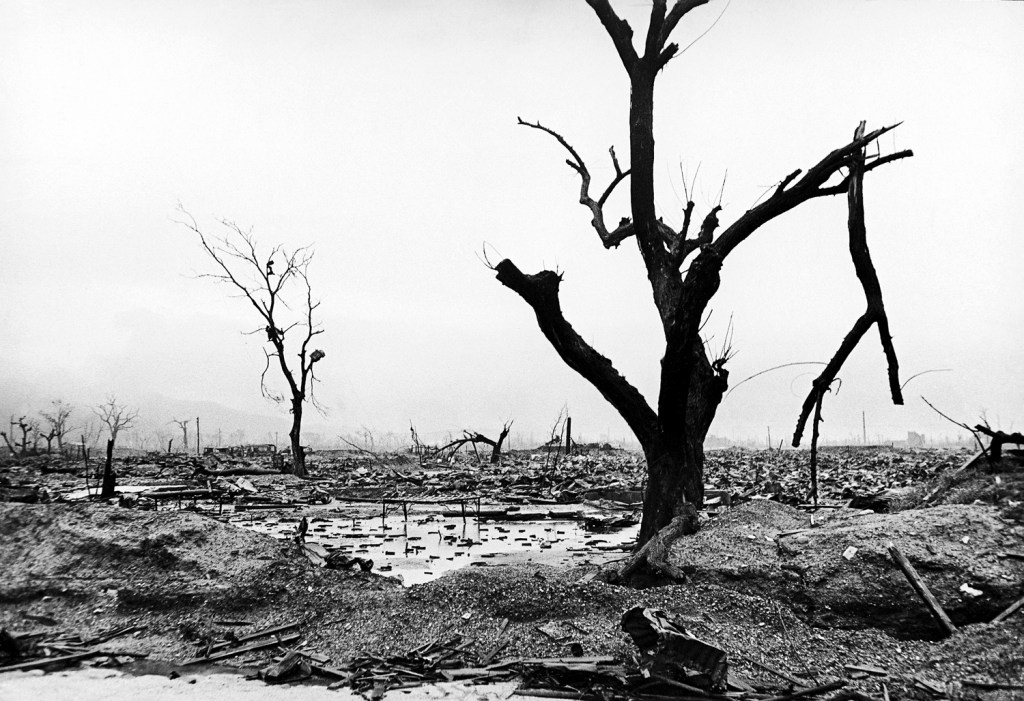
Let us not omit the ultimate terror tactic deployed by the US on Japan in 1945 – the atomic bombs on Hiroshima and Nagasaki which killed over 200, 000 people.
Neighborhood reduced to rubble by atomic bomb blast, Hiroshima, 1945.
Sadly, terror tactics clearly have some “legitimacy” in societies across the world.
This somewhat shatters our moral high ground when considering the Hamas massacres of Israeli residents and indeed the Israeli retaliation and the US support for it.
There is some distaste for the Hamas tactic of hiding amongst the “innocent” population, but it is a brutally clever tactic. Why should non-combatants not share the fight in a liberation struggle?
Of course, this type of thinking means that the only tactic to stop this type of warfare is eradication and suppression – obliteration will buy a few years until new ideologists fire up the youth of a new generation. Unavoidably, non-combatants will also be obliterated.
We can express our horror and repugnance, but we can not condemn the morality if we too are guilty.
It goes without saying that terrorists should be stopped before they attack.
But, how is this possible?
One answer which many will not like, is universal surveillance: the continuous monitoring of every meeting, conversation and movement of ….. everybody.
Don’t be alarmed, surveillance of communications and movement is commonplace in the military and security industries, including the police. Many private houses and vehicles already have security camera systems which track you whenever you pass by; you are watched in supermarkets, bars and train stations. Internet traffic is monitored and filtered by service providers.
Why do we still need a warrant to monitor criminal activities? AI bots can monitor and notify suspicious behaviour for investigation, in real time as it happens.
It will be far more effective in stopping terrorists and criminals than analysis of historical data, so what is the downside?
After all: “freedom’s just another word for nothing left to lose”!
I wrote this poem for a poetry class some years ago.
For some reason the word came up in a conversation with my daughter … and she laughed! We were talking about the Afrikaans word “windgat”, which is not a compliment and indicates someone who is loud, flashy and probably drives a car with two big exhausts.
We pondered on that; I was forced to admit that some years ago in South Africa, I was called a windgat* by colleagues at work. It was probably because I was a loudmouth and sometimes confronted their conventional awe of authority. Fortunately, I usually knew what I was talking about in industrial relations and in the land of the blind, the one-eyed man is king!
She asked what the English equivalent might be, so I Googled it.
given to rhetoric, emphasizing style at the expense of thought
That was why she laughed! She recognised me!
Bombast was the cotton padding used in clothing to make the wearer appear more substantial.
I do admit that I have a love of language and have been known to use big words and I avoid the banal like the plague – but I have never owned a car with big exhausts.
So, it is necessary for me to embrace and practice humility !
Banal is a strange word which I shunned in my younger days as it made me feel queasy somehow. Probably because of the -anal sound. But in fact its not ‘bay nal’,- it is pronounced ‘buh narl’, much more reflective and condemnatory sounding. Synonyms are: bland, corny, dumb, hackneyed, mundane, stupid, trite, vapid …
When your throat thickens, your heart falters then swells and your eyes prickle with tears – that is unalloyed joy.
My middle grandson gave me a cool stare then curled a grin and clasped my finger … and my heart!
In the middle of a slow Spring afternoon, reading on the patio with music in the background. Pavarottijust reached those sad, beautiful notes in Vesti la giubba, which clutched at me, leaving me breathless with its pathos.
Ridi, Pagliaccio, col tuo amore infranto! Ridi del duol, che t’avvelena il cor!
Laugh, clown, at your broken love! Laugh at the grief that poisons your heart!
Maybe that one was not joy but it was intense emotion!
Now I can’t remember the one which gave me such joy – damn!!
I thonk maybe it was the Vincero, vincero! in Nessun Dorma – have a listen and feel the joy!
Music often does that though. I still weep almost every time I hear Danny Boy:
But when ye come, and all the flowers are dying
If I am dead, as dead I well may be
You’ll come and find the place where I am lying
And kneel and say an “Ave” there for me.
And I shall hear, tho’ soft you tread above me
And all my grave will warm and sweeter be
For you will bend and tell me that you love me
And I shall sleep in peace until you come to me
Sadly this weekend there was no joy, unalloyed or at all, watching rugby….